And it goes out to all those ‘veterans’ of Cubi/Subic Bay…
I apologize to those who don’t understand the lyrics; but if you weren’t there, it’s kinda hard to describe! And would probably get you in trouble if you did…
Ah, memories… 😀
Kyle had moved over and started a training company, Craft International specializing in long range, AR, and pistol courses. He also was heavily involved in giving back to service members coming back with PTSD, wounded warriors and others at the range he used.
Kyle was a true hero, and our thoughts and prayers go out to his family and all those at Craft.
Rest in Peace Kyle and know you will be missed.
Well, “I” thought it was pretty funny… so sue me… 😛
XXXXXX
New VA Study Reveals Insights About Veteran Suicides
A new study published the Department of Veterans’ Affairs says that roughly 22 military veterans kill themselves every day. That rate that is about 20 percent higher than the VA estimated in 2007. More than two-thirds of the veterans who commit suicide are 50 or older, suggesting that the increase in veterans’ suicides is not primarily driven by those returning from the wars in Iraq and Afghanistan.
However, the study does show that the overall veteran suicide rate is three times that of the civilian population as a whole. This is probably due to the fact that while women make up half of the civilian population, they are a very small percentage of the veteran population. Men tend to kill themselves at a much higher rate than women.
According to the Washington Post, the study’s author, Rober Bossarte, said “There is a perception that we have a veterans’ suicide epidemic on our hands. I don’t think that is true.” The VA epidemiologist went on to say that “The rate is going up in the country, and veterans are a part of it.” The number of suicides overall in the United States increased by nearly 11 percent between 2007 and 2010, the study says.
The study reached the conclusion that the percentage of veterans who die by suicide has decreased slightly since 1999, even though the total number of veterans who kill themselves has gone up.
Bossarte said much work remains to be done to understand the data. Iraq and Afghanistan war veterans are a minority of the overall veteran population that includes Vietnam, Korea, and World War II vets, but recent studies have suggested that those who served in the more recent conflicts are 30 to 200 percent more likely to commit suicide than their non-veteran peers. According to the Washington Post, other studies have shown that Vietnam-era veterans were most likely to commit suicide within five years of getting out of the service. It remains to be seen if this is the case with newer veterans.
To calculate the veterans’ suicide rate, Bossarte and one assistant spent more than two years, starting in October 2010, asking state governments to turn over death certificates for the more than 400,000 Americans who have killed themselves since 1999. 42 states have provided data or agreed to do so; the study is based on information from 21 states that has been assembled into a database.
The numbers show that men in their 50s — a group that includes a large percentage of the veteran population— have been especially hard-hit by the national increase in suicide. The veterans’ suicide rate is about three times the overall national rate, but about the same percentage of male veterans in their 50s kill themselves as do non-veteran men of that age, according to the VA data.
Bossarte plans to include in death certificate data from all 50 states, Pentagon service records, VA hospital data and information from the VA’s crisis line in one database to help figure out the root causes of the suicide problem. Hopefully it will also be able to help the VA determine where it needs more mental healthcare workers and how best to train them.
The database is intended to show how many veterans served in combat, the year they left the military and the jobs they held in uniform. He will know how many of the deceased veterans called the crisis line for help and what kinds of treatment they were receiving from VA doctors before taking their lives.
Recently Bossarte noticed an interesting trend that followed the VA’s move to change the name of its call center from “suicide hotline” to “crisis line.” Overall call volume spiked in the months after the name change, and emergency rescues, which accounted for about 5 percent of all calls in 2010, dropped to less than 2 percent.
The figures suggest that more veterans are calling the line before their despair reaches suicidal levels. “We are getting them earlier, and that is a good thing,” Bossarte said.
Recently, national suicide rates have been shown to be highest in the rural Mountain West states. Epidemiologists have speculated that the availability of guns, the lack of mental health services and a rugged, independent mind-set that stigmatizes seeking help could all be driving up the rate. Bossarte’s database could help pinpoint the culprit and the cure.
TREA: The Enlisted Association is very supportive any effort to get at the root causes of suicide, since any loss of human life is a tragedy. Hopefully inquiries such as this will continue to show that military service does not increase the risk of suicide, and it will help our country deal with the real factors that drive suicides of both veterans and non-veterans.
If you or anybody you know needs help, call the Veterans Crisis Line at 1-800-273-8255 and Press 1 or go on line at http://www.veteranscrisisline.net/
Bottom line, if you know a vet who’s in trouble, please talk to them and try to get them help.
h/t Les, Frito, Bubba
Or if you live in NY… Just sayin…
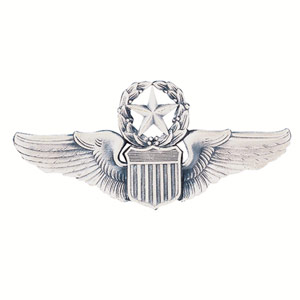
High FlightOh! I have slipped the surly bonds of earth |
|
| Pilot Officer Gillespie Magee No 412 squadron, RCAF Killed 11 December 1941 |
|
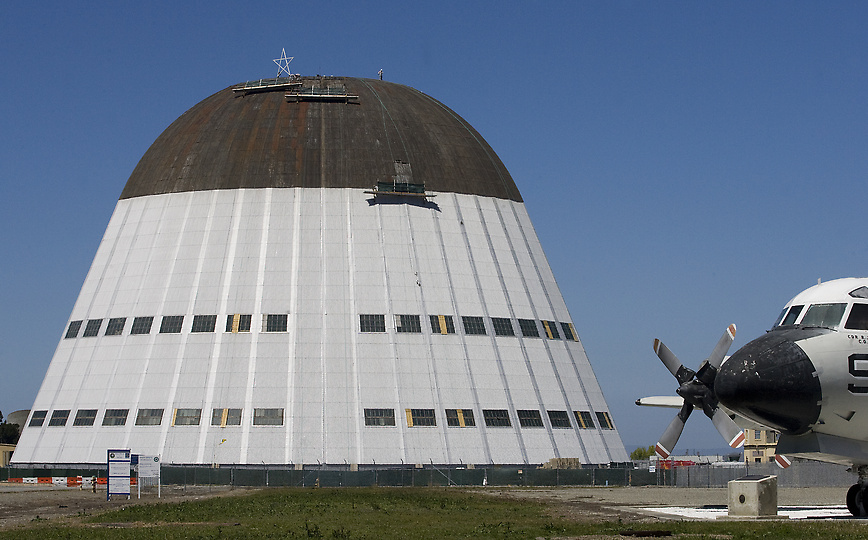
Hangar One was originally built 79 years ago for the blimps back in WWII, and it is on the National Historic Register. However, due to the age and asbestos construction, it was deemed a hazard. We closed the ‘base’ in 1993 and moved the squadrons out to Hawaii and NAS Whidbey Island, but due to the EPA, nothing was done with the buildings. NASA Ames took over the facilities, and the hangar basically sat and deteriorated…
A little bit of ‘history’, until the VAB was built at the Cape, Hangar One was the largest freestanding (no internal supports) building in the world.
Now they are finally stripping all the asbestos and taking the building back to parade rest…
From the Mercury News in San Jose.
Hangar One, once home to the Navy’s giant airships at Moffett Field, finally has a few willing benefactors: Google’s top three executives have offered to salvage the historic landmark.
Full article and more pictures HERE.
As one of the literally thousands of Sailors that went through there, I really hope it does get saved!
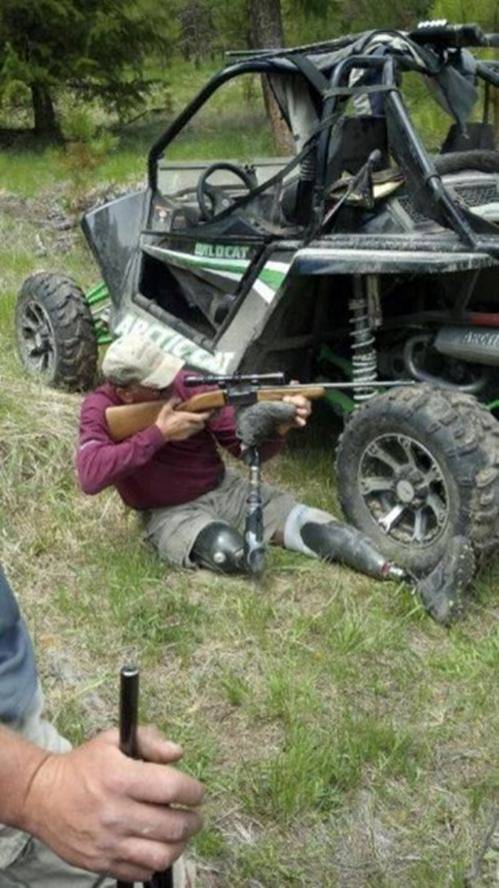
And this one comes from the mil-email trail… Contrary to Wounded Warriors, its seems that our REAL wounded warriors DO enjoy shooting and if nothing else ARE innovative!
Yes, he really IS using his shoe as an improvised shooting rest!