
Lawdog’s next book is out!!!
The African Adventures is live! Click on the cover to go directly to the book, and enjoy!!!
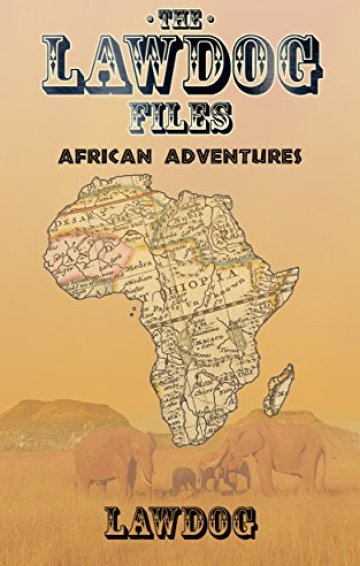
The blurb-
LawDog had the honor of representing law and order in the Texas town of Bugscuffle as a Sheriff’s Deputy, where he became notorious for, among other things, the famous Case of the Pink Gorilla Suit. But long before he put on the deputy’s star, he grew up in Nigeria, where his experiences were equally unforgettable. In THE LAWDOG FILES: AFRICAN ADVENTURES, LawDog chronicles his encounters with everything from bush pilots, 15-foot pythons, pygmy mongooses, brigadier-captains, and Peace Corp hippies to the Nigerian space program.
THE LAWDOG FILES: AFRICAN ADVENTURES are every bit as hilarious as the previous volume, as LawDog relates his unforgettable experiences in a laconic, self-deprecating manner that is funny in its own right. Africa wins again, and again, and again, but, so too does the reader in this sobering, but hilarious collection of true tales from the Dark Continent.
There ARE new stories that were never on the blog, and they are ALL entertaining! Hilarious, thoughtful, and true to life, even if most folks won’t believe it! 🙂
Also, Tom Rogneby has a new short up on Amazon, called The BoogeyMan!
Once again, click the cover to go directly to it!

The blurb-
Martin Shelby is The BoogeyMan, a private investigator and fixer for folks who get into trouble too tough and too strange for the police. People only bring him the jobs that require the body of a linebacker and the face of a gargoyle.
Now, he’s been handed a job that pays double, but that can only mean double the danger.
But when the things that go bump in the night look under their bed for HIM, how hard can it be? To The BoogeyMan, it’s just another job.
I’ve pre-read both of these books, and while wildly divergent, both are excellent reads! If you liked Tom’s Escort Duty, this short is in the same vein. Well written and you won’t want to put it down.


